
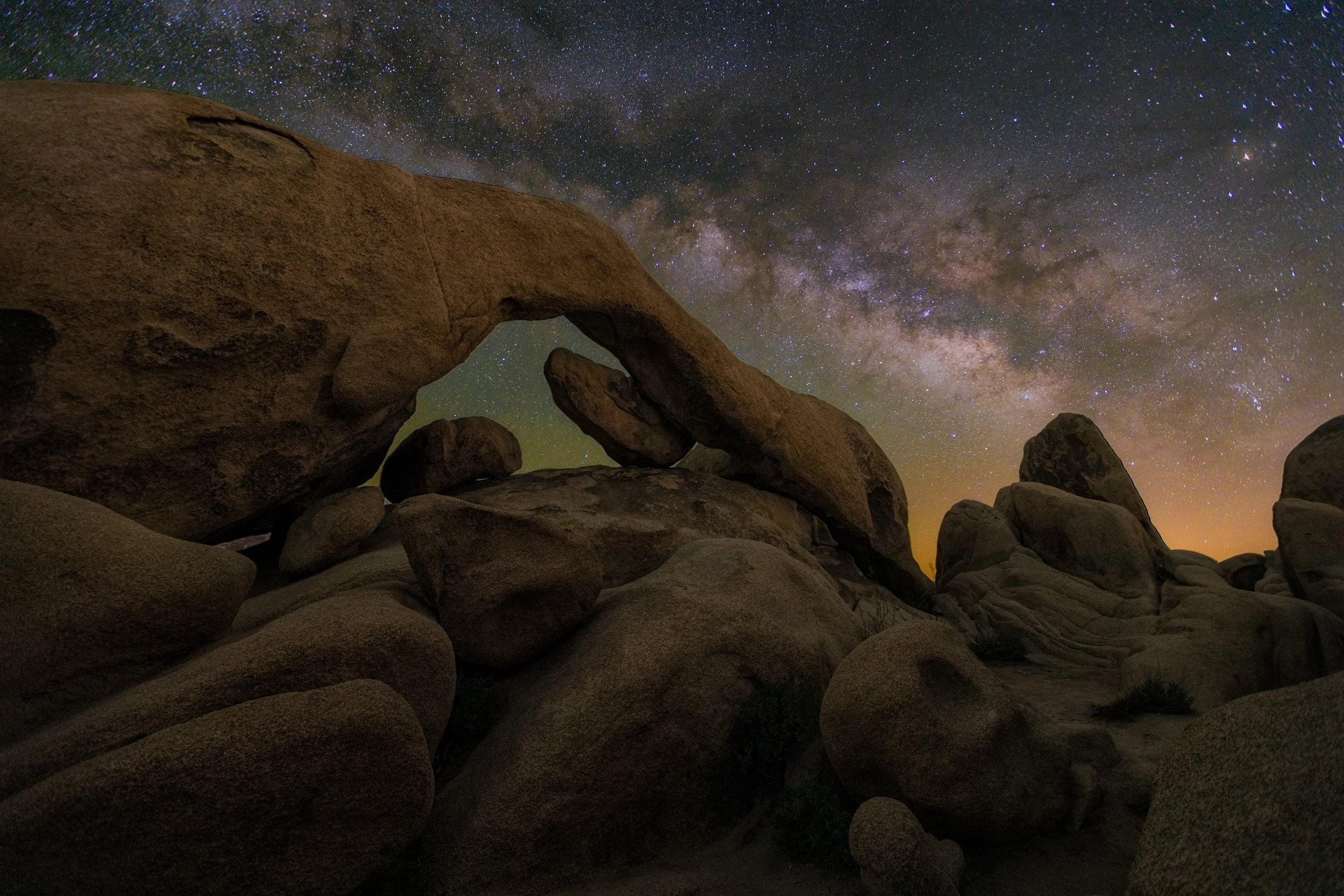
How to Plan & Scout Epic Night Sky Photos (Before You Leave the House)
Capturing fine-art astrophotography isn't just about what happens after you hit the shutter button—80% of a successful shot happens before you leave the house. Learn how to track dark-sky moon windows, scout foreground mechanics in daylight, navigate urban light domes, and build weather contingency plans to consistently shoot tack-sharp nightscapes.
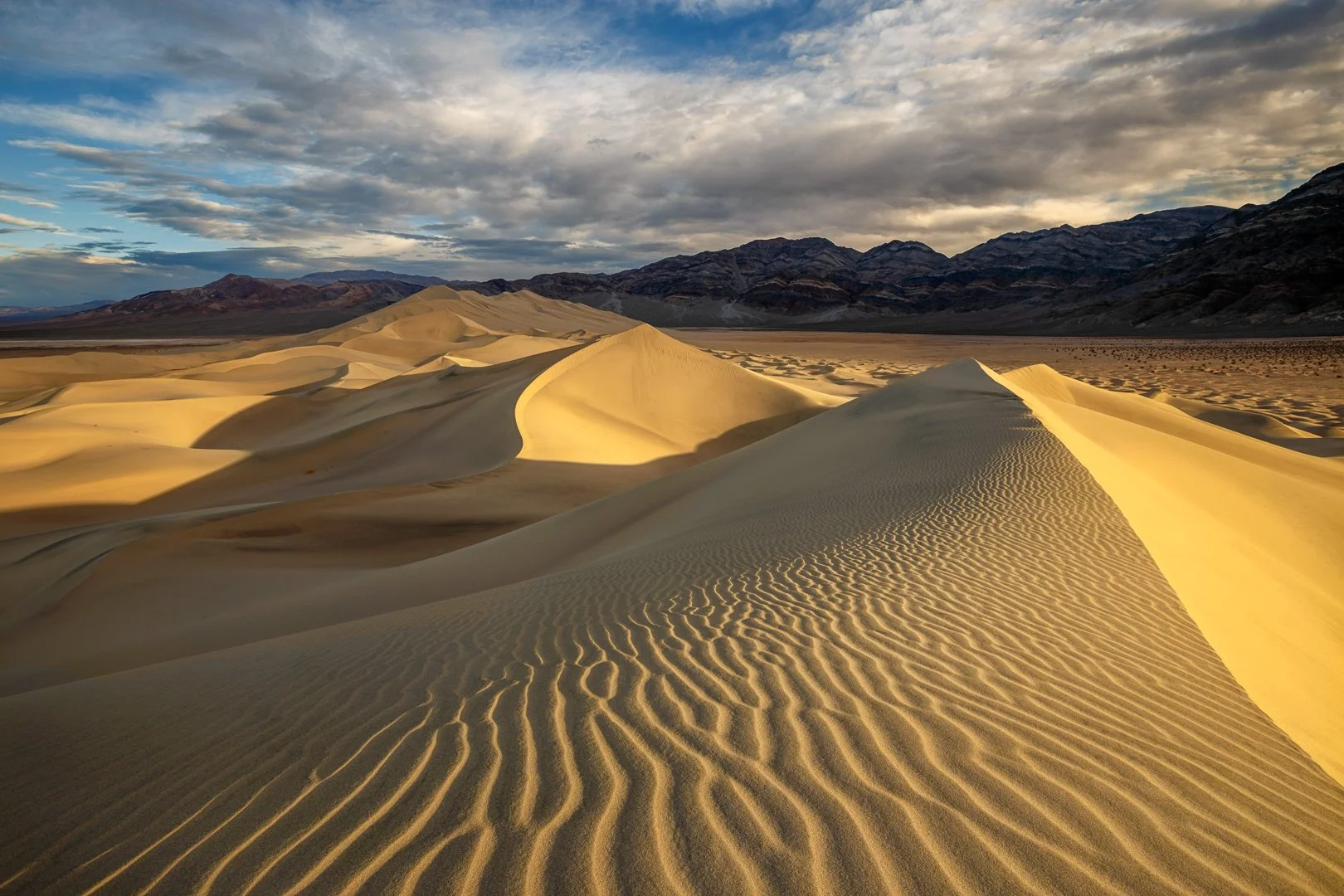
The 3-Element Rule: How to Fix Flat, Cluttered Landscape Photos
Ever wonder why a breathtaking scene turns into a flat, chaotic image the moment you click the shutter? Discover how to use "The 3-Element Rule," color temperature contrast, and low-angle lighting to transform flat snapshots into powerful, three-dimensional fine-art compositions.
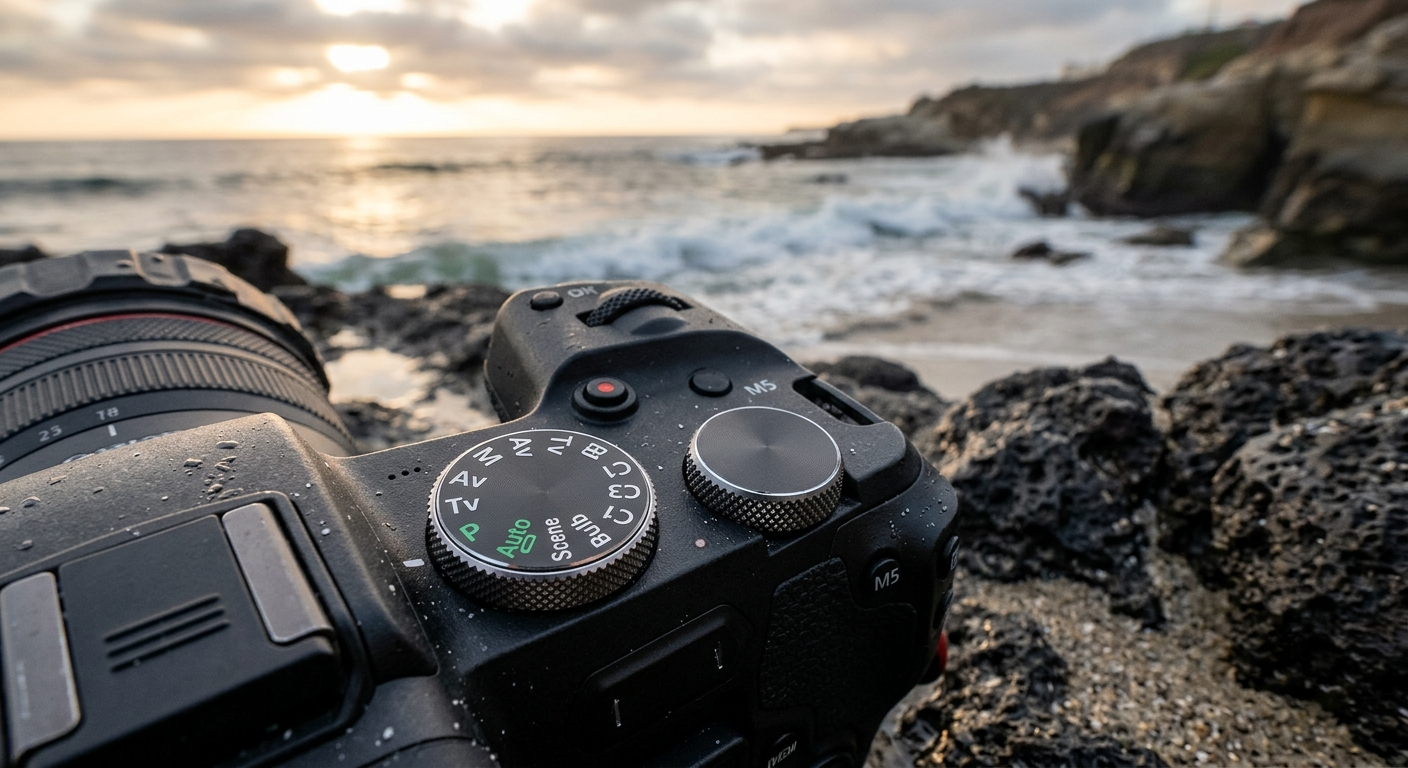
The Manual Mode Trap: When to Take Control and When to Let Your Camera Do the Work
Mastering Manual Mode is essential for learning exposure, but refusing to use your camera’s smart semi-automatic features can cost you the shot. Learn when to take surgical manual control, when to leverage Aperture and Shutter Priority, and how Exposure Compensation keeps you in command.
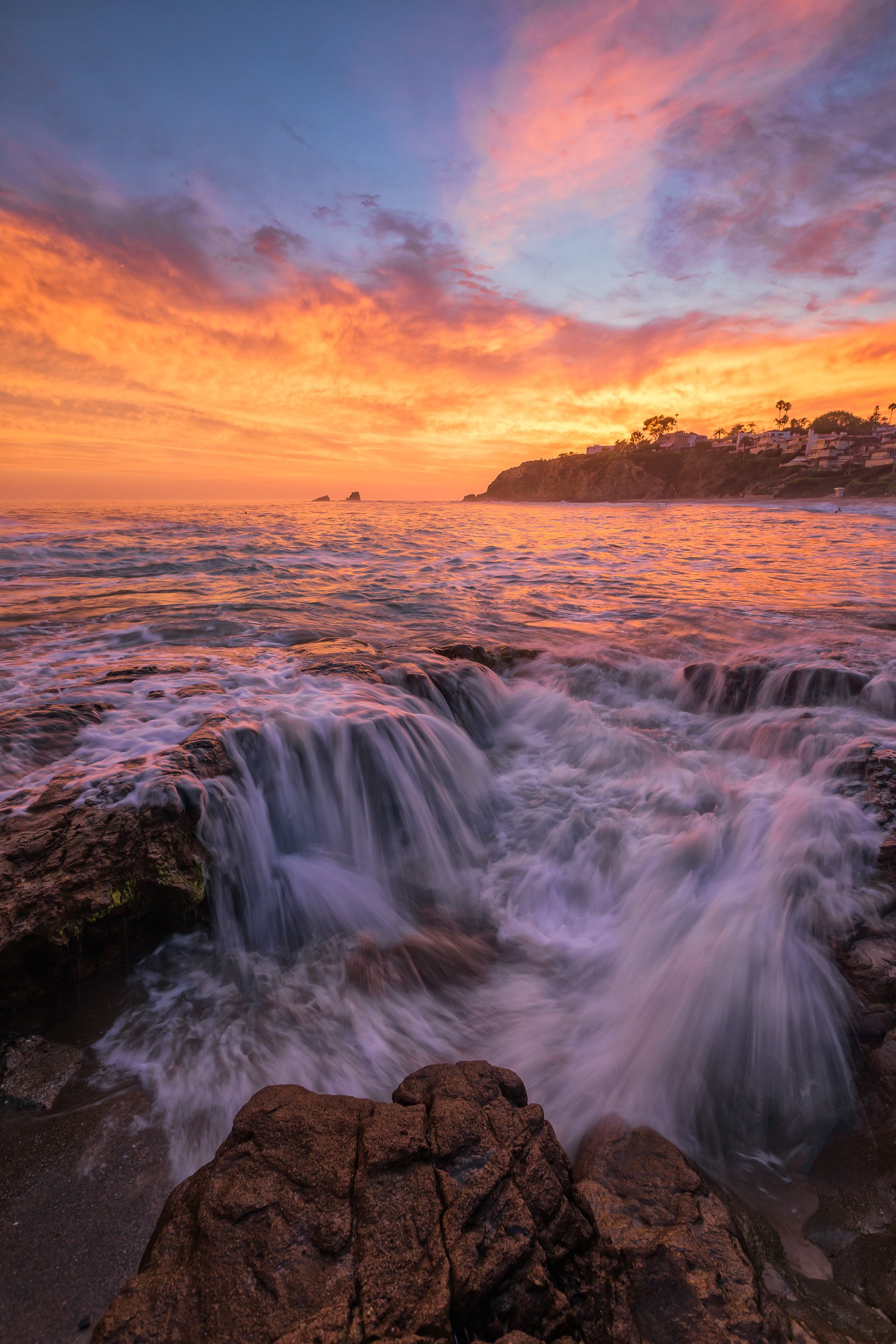
The "No-Fluff" Seascape Photography Kit: What You Actually Need on the SoCal Coast (or Beyond)
Southern California's coast is brutal on camera gear. From salt spray and jammed tripod locks to rogue waves, ocean shooting exposes weak equipment fast. Here is my streamlined, battle-tested "no-fluff" seascape kit—including optics, tripod support, filter setups, and what you can safely leave at home.

A Guide to Photographing Fireworks
Just in time for tonight’s fireworks shows I have a guide to help you get great shots. Taking great photos of fireworks isn’t very hard and once you have the right settings you’ll be able to capture great shots. Overall, the settings are a means to get the right exposure for your shot and your shutter speed will be a big factor is the final result. Shutters ranging from 1/5th of a second to 60 seconds may look good depending on the desired amount of fireworks you want to capture.