
Yosemite Spring Waterfall Masterclass April 2027
April 19–22, 2027 | Waterfalls, Reflections, & Moonbow Astrophotography
About The Workshop
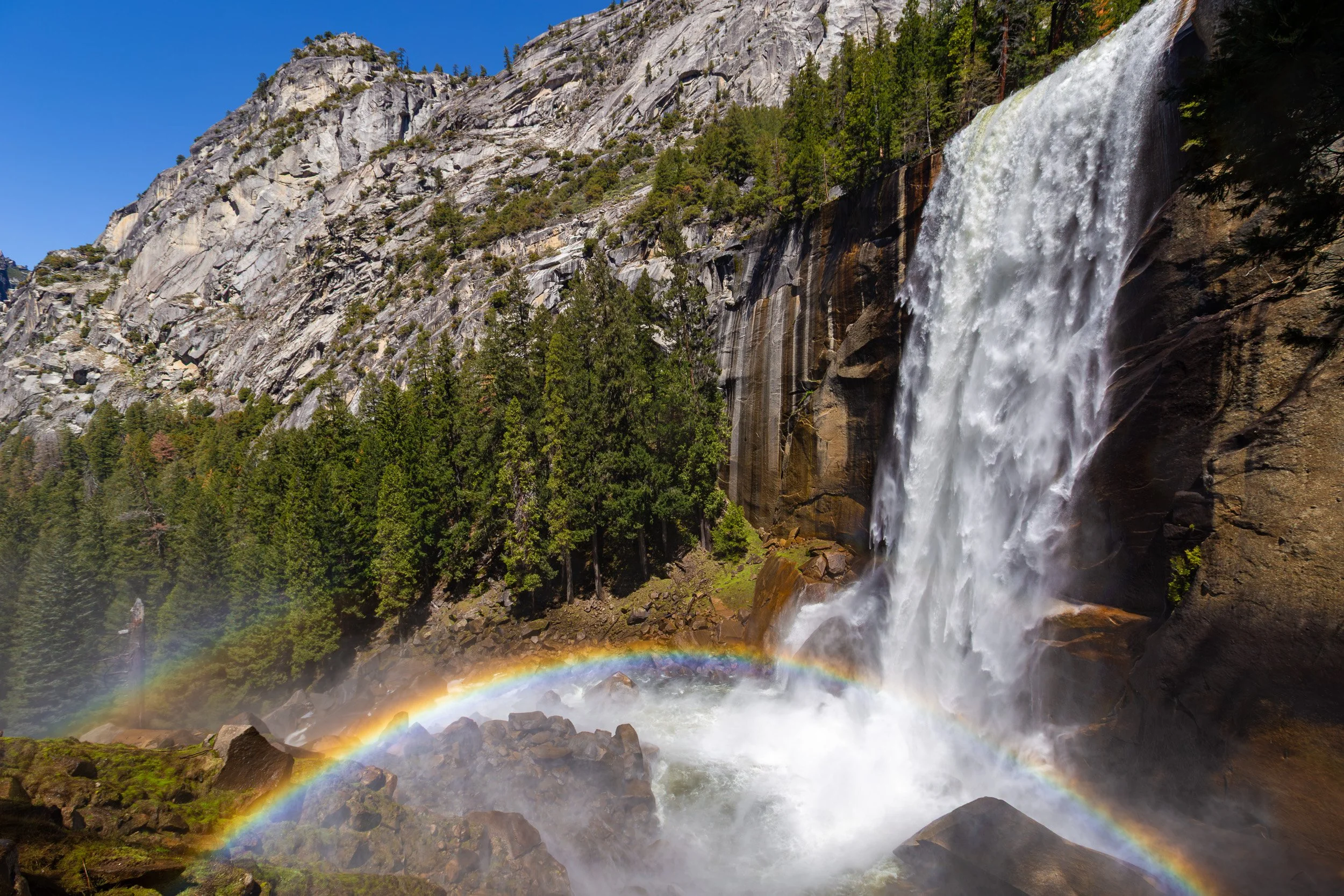
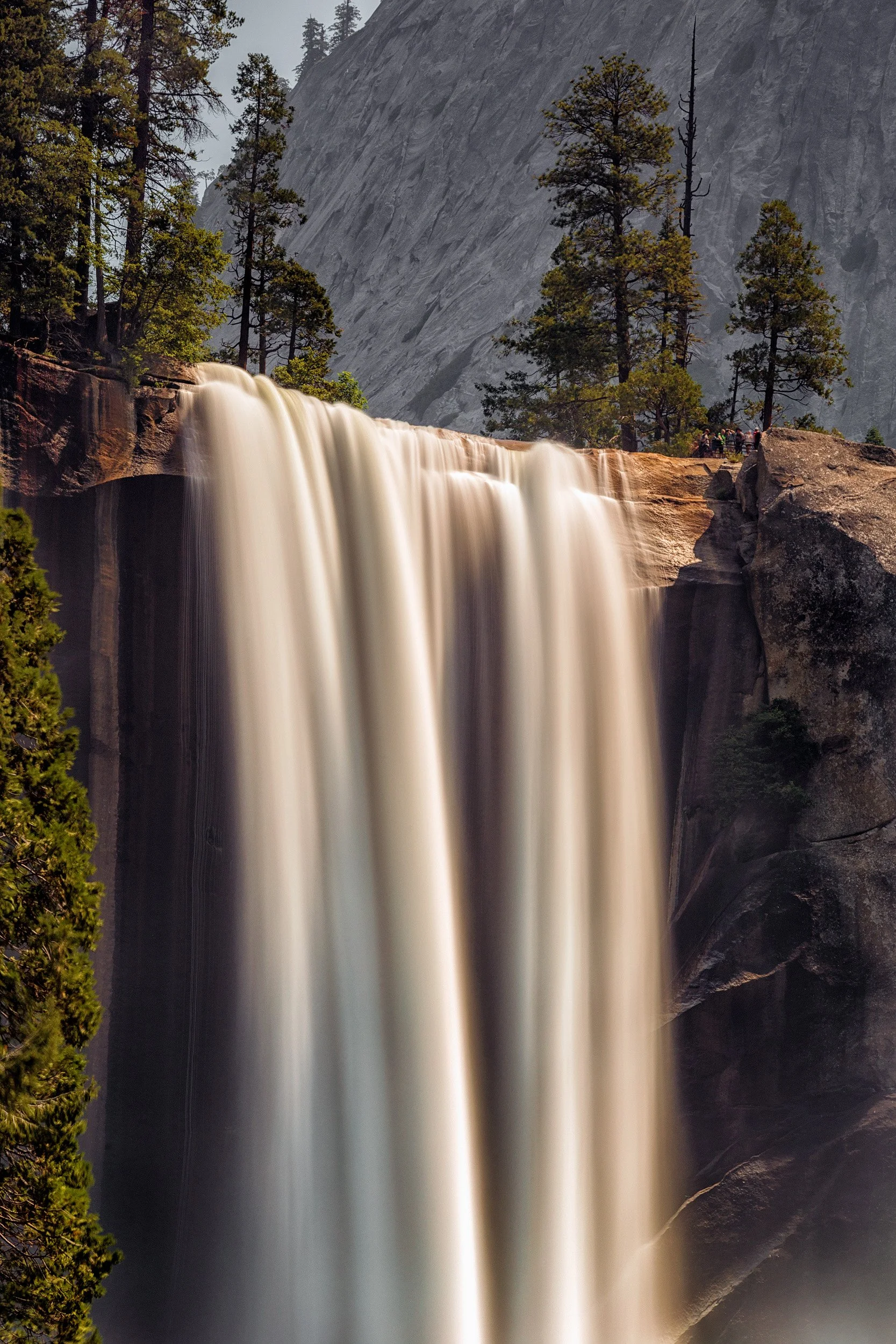
Join independent professional photographer Chris Ewen Crosby for an intensive, small-group landscape photography masterclass in Yosemite National Park. April represents the undisputed crown jewel season of Yosemite Valley. As winter’s deep Sierra snowpack melts into hyper-drive, famous waterfalls like Yosemite Falls, Bridalveil, and Vernal Fall erupt into overwhelming, full-throttle roaring cascades.
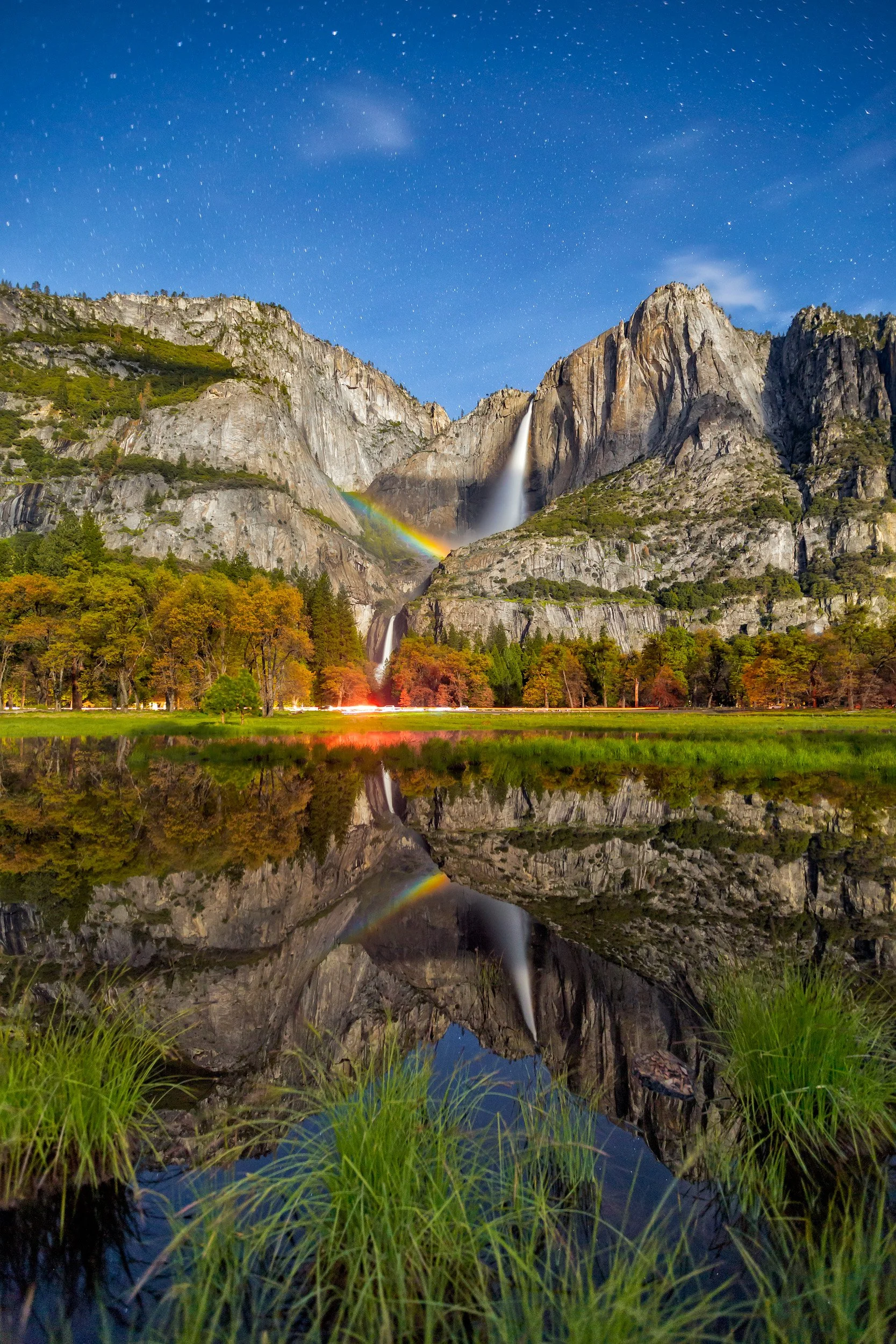
This workshop features a unique dual-core focus: capturing the raw power and lush reflections of Yosemite Valley under prime daylight hours, and venturing out into the night to photograph one of nature's rarest phenomena—Moonbows (Lunar Rainbows). Under the bright illumination of the full moon, heavy mist hanging at the base of Yosemite Fall creates vibrant, ethereal rainbows in the dark. With dedicated 1-on-1 field instruction, you will learn the exact technical workflows required to capture both roaring water and subtle night-sky magic with gallery-level precision.
The Masterclass Pillars
Engineered for Growth: Technical Precision Meets Creative Vision
This intensive is not a passive sightseeing tour; it is a hands-on technical and creative accelerator. Because our group is strictly capped at six photographers, our curriculum is entirely dynamic—adapting instantly to your current skill level.
Whether you are looking to master manual exposure fundamentals or expand into complex fine-art blending workflows, our training focuses deeply on three core pillars:
Pillar 1: The Technical Foundation
Flawless Exposure Management: Learn to look past your camera's automatic meter. We will master the exposure triangle and analyze histograms in real-time to capture the maximum dynamic range of Yosemite’s stark granite-and-shadow contrasts.
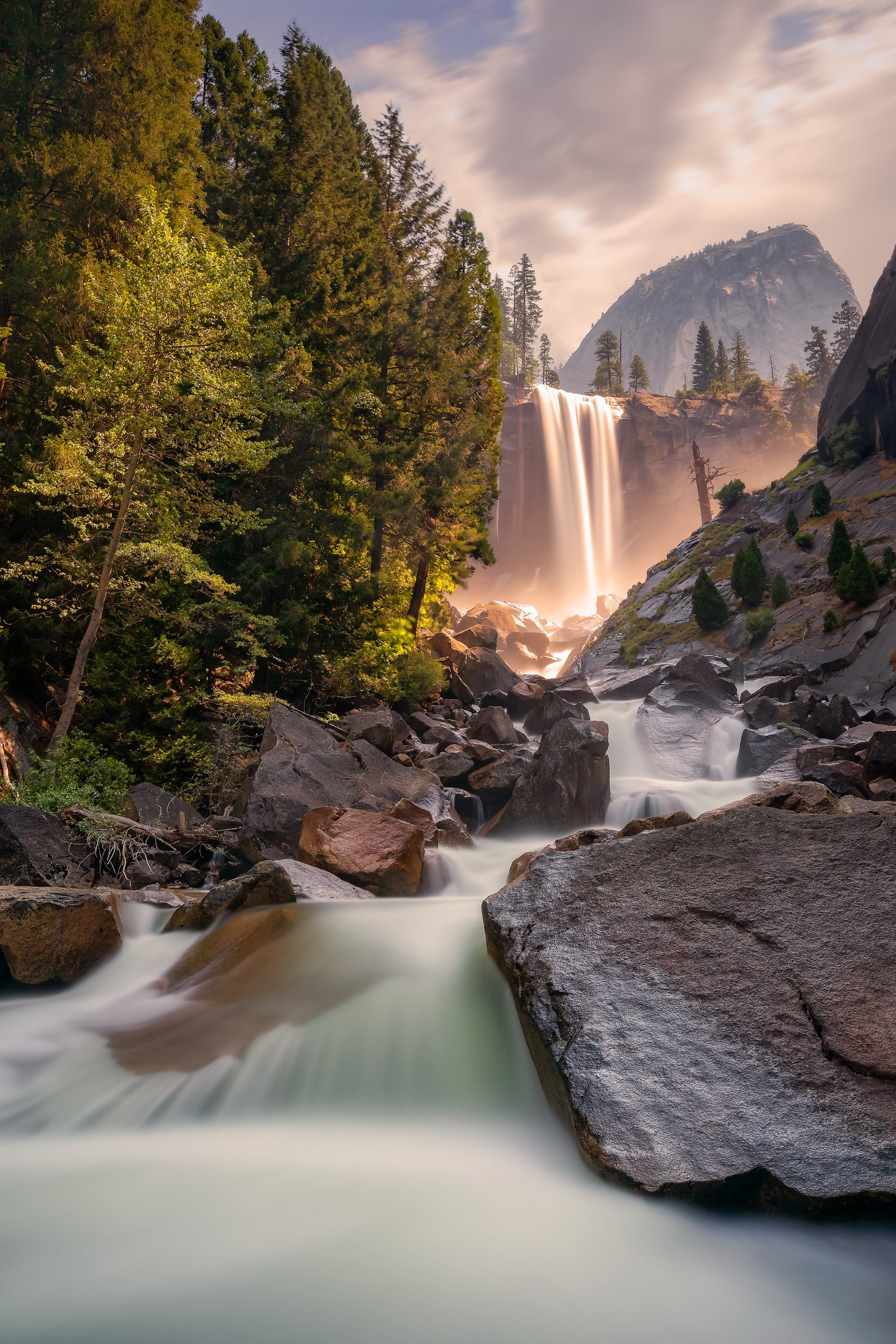
The Creative Use of Filters: Master shutter speed control to intentionally manipulate moving water—from silky, abstract long exposures to freezing high-speed spray. Learn precise deployment of Circular Polarizers (CPL) to slice through wet granite glare and Neutral Density (ND) filters to control bright canyon contrast.
Tack-Sharp Execution: Learn in-the-field tripod stabilization, manual micro-focusing, and sharp lens aperture sweet-spots to ensure your images are crisp and ready for large-format gallery printing.
Pillar 2: Advanced Field Craft
Focus Stacking for Infinite Depth: Master the precise technical workflow of capturing multiple focal planes—ensuring razor-sharp detail from fresh green foliage inches from your lens all the way to the top of El Capitan.
Night Operations & Moonbow Execution: Dismantle the technical challenges of nocturnal photography. You will master manual low-light focus, exposure calculations under moonlight, white balance management for natural night tones, and moisture mitigation techniques while shooting directly in waterfall mist zones.
High Dynamic Range (HDR) Bracketing: Learn how to shoot intentionally for shadow and highlight blending, preserving detail during explosive Sierra sunsets.
Composing Through Complexity: Yosemite Valley can be visually overwhelming. You will learn how to see past the visual noise, isolate primary subjects, and use natural lines, scale, and visual balance to build impactful compositions.
Pillar 3: Compositional Harmony & Reflections
Capturing Environmental Scale: Navigate Yosemite’s colossal granite walls by learning to isolate fine-art details and contextual scale.
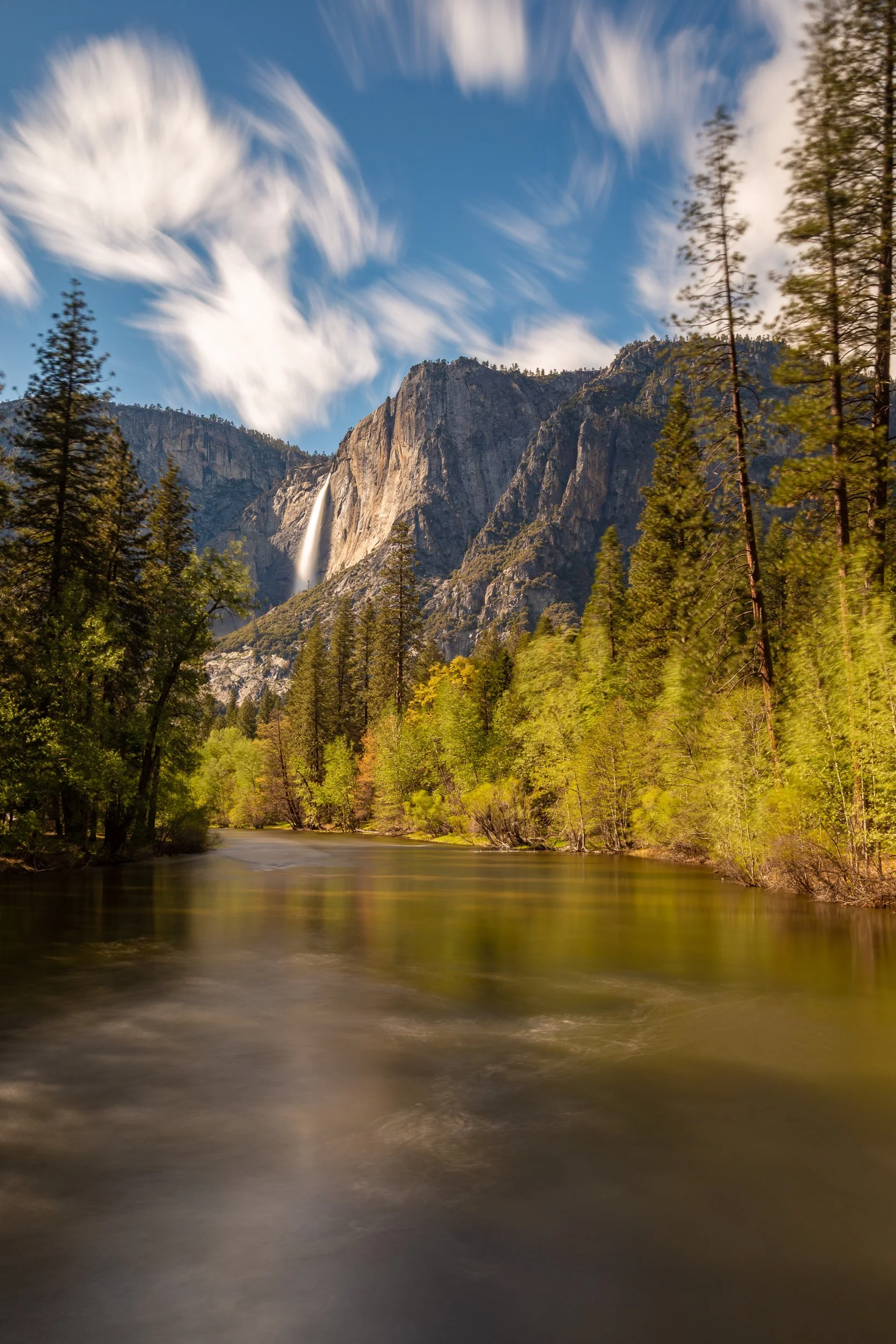
Reflective Geometry: We will utilize calm Merced River bends, flooded spring meadow reflection pools, and dramatic granite frames (El Capitan, Half Dome, Cathedral Rocks) to create deep, balanced visual depth.
The Itinerary & Field Philosophy
Our Philosophy: Nature does not adhere to a rigid clock, and neither do we.
To give you the highest-value experience possible, this masterclass utilizes a completely flexible, light-driven itinerary. Rather than locking ourselves into a strict timetable months in advance, our daily movements will be dictated entirely by real-time weather forecasts, clearing valley storms, rising mist, and Sierra Nevada water flows.
We don't watch the clock—we watch the sky. While our schedule remains dynamic to maximize peak photographic conditions, here is how our daily rhythm flows:
🌅 Morning & Golden Hour Sessions
We position ourselves early along the Merced River, capturing soft morning light illuminating colossal granite walls while mist rises off calm, mirror-like reflection pools.
☀️ Mid-Day Technical Breaks
When harsh overhead light hits the valley floor, we take dedicated breaks for lunch, rest, image reviews, and gear preparation—ensuring you remain fully energized for late-night shooting.
🌄 Afternoon & Sunset Sessions
We target dynamic valley viewpoints and roaring cascades as warm golden light paints the upper faces of Half Dome, Sentinel Rock, and El Capitan.
🌕 Night Moonbow Sessions
Timed specifically around peak lunar alignment and heavy spring runoff, we head out under the moonlight to position ourselves at optimal vantage points—capturing rare lunar rainbows cutting through the mist of Lower Yosemite Fall under a dense canopy of stars.
Physical Requirements
A Deliberate, Accessible Pace Designed for Everyone
While this masterclass focuses heavily on creating fine-art imagery rather than conquering intense backcountry peaks, it is fundamentally an active, outdoor field workshop.
To ensure you have a safe, comfortable, and enjoyable experience, please review the physical expectations below:
Field Mobility Expectations
Moderate Walking & Hiking: We will walk daily to reach optimal vantage points. Most of our shooting locations are within 0.5 to 1.5 miles round-trip from our vehicles on relatively level ground. A hike to Vernal Falls will be our biggest excursion.
Spring Terrain Conditions: While Yosemite Valley floor is generally flat, our paths will take us off asphalt and onto established dirt trails, gravel pathways, sandy riverbanks, and occasional uneven granite steps or damp, slick rocks near active waterfall spray zones.
Carrying Your Kit: You should be completely comfortable carrying your camera bag, tripod, and personal supplies (water and extra layers) over these short distances.
Standing for Extended Periods: Waiting for ideal light or tracking nocturnal moonbow setups means standing at vantage points for 1 to 2 hours at a time.
No Photographer Left Behind: We move at a deliberate, relaxed pace. This workshop is about slowing down, observing subtle light changes, and making intentional creative choices—never rushing to the next spot.
Have mobility questions? If you have specific accessibility concerns or questions about local terrain, please reach out via the contact form prior to booking so we can discuss personalized accommodations.
Logistics, Transportation, & Compliance
Operating with Integrity, Safety, and Full Legal Approval
Peace of mind is a vital part of a premium experience. This masterclass is fully authorized and operates under an officially approved National Park Service Commercial Use Authorization (CUA) permit for Yosemite National Park. Chris Ewen Crosby Photography is a fully registered business with a verified EIN and full commercial liability insurance. We respect the park, operate strictly within federal guidelines, and ensure your investment is entirely secure.
To maintain strict compliance with National Park Service regulations and ensure a seamless experience for everyone, please review the following parameters:
-
Participant Responsibility: All attendees are 100% responsible for arranging their own transportation to, from, and within Yosemite National Park.
Transit Regulations: Due to federal commercial passenger transit regulations, the instructor is legally prohibited from providing transportation or orchestrating group carpooling within the park boundaries. You must have your own reliable vehicle to navigate between locations.
Vehicle Requirements: Any standard passenger car is entirely sufficient for our outings. All roads throughout Yosemite Valley are fully paved and well-maintained.
Spring Weather & Chain Advisory: Weather in the Sierra Nevada can shift rapidly in mid-April. While major snowstorms are less frequent in spring, late late-season cold fronts can still bring snow over mountain passes (Highway 41, Highway 120, and Highway 140). California law and NPS regulations require carrying matching tire chains or cables in your vehicle during weather advisories. Please verify your vehicle equipment and monitor local road conditions prior to travel.
Daily Coordination: To make this frictionless, we will coordinate exact GPS meeting locations across the valley floor prior to each shooting session.
-
If you are flying in for the workshop, the most convenient options include:
Fresno Yosemite International Airport (FAT): The closest airport, located approximately 2.5 hours south of Yosemite Valley.
Sacramento International Airport (SMF) / San Francisco International (SFO) / Oakland International (OAK): All are roughly a 3.5 to 4-hour drive to the valley floor, offering extensive rental car options.
-
Lodging, meals, and park entry fees are not included in workshop tuition. Because mid-April brings peak spring waterfall flows and high visitor demand, we strongly advise booking accommodations immediately upon registration.
Staying Inside the Valley: For the most seamless experience with zero morning commute, look into The Yosemite Valley Lodge, The Ahwahnee, or the heated tent cabins at Curry Village.
Staying Outside the Park: Excellent lodge and hotel options are available just outside the park gates in El Portal (roughly a 20–30 minute drive to our meeting spots), as well as the gateway communities of Mariposa or Groveland.
Camping: If you plan to camp or bring an RV, site reservations must be made well in advance directly through Recreation.gov (Upper Pines, Lower Pines, and North Pines campgrounds).
Things to Bring
To ensure you get the absolute most out of our time in the field—and stay completely comfortable in changing mountain conditions—please use this checklist to prepare your kit.
-
Camera Body: A DSLR or mirrorless camera with full manual exposure control capabilities. Bringing a backup body is recommended if you have one, but not required.
Lenses: A versatile focal range allows you to capture both sweeping grand landscapes and intimate detail:
Wide-Angle Zoom (e.g., 16–35mm): Essential for expansive valley perspectives, towering granite walls, reflections, and grand moonbow frames.
Standard Zoom (e.g., 24–70mm): The perfect walk-around range for natural framing and mid-range waterfall compositions.
Telephoto Zoom (e.g., 70–200mm or 100–400mm): Crucial for isolating distant granite textures, capturing light hitting upper falls, and compressing forest details.
Sturdy Tripod: A heavy-duty, reliable tripod is mandatory. Solid stabilization is non-negotiable for sharp nocturnal moonbow long exposures, focus-stacking, and tracking low-light transitions.
Filters:
Circular Polarizer (CPL): Highly recommended—this is the single most important tool for cutting glare on wet granite, saturating spring greens, and deepening river reflections.
Neutral Density (ND) Filters (3, 6, or 10-stop): Excellent for manipulating water motion in bright daylight cascades.
Essential Accessories:
Extra high-speed memory cards (clear them before day one).
Multiple spare camera batteries (chilly spring nights drain battery life rapidly; keep a fresh one in an inside jacket pocket close to your body heat).
Remote shutter release cable or electronic wireless trigger (for vibration-free long exposures).
Headlamp or Flashlight with Red-Light Mode: Vital for navigating safely to nocturnal moonbow vantage points in the dark while preserving your night vision.
Rain Cover & Lens Wipes (Critical for Spring): A protective sleeve for your camera bag and several clean microfiber cloths are essential for wiping mist off front lens elements during waterfall and moonbow shoots.
-
Early spring weather in the Sierra Nevada varies dramatically between mid-day sun and freezing midnight air near roaring waterfalls.
Base & Mid-Layers: Moisture-wicking base layers paired with a high-quality fleece or lightweight down jacket.
Outer Layer: A windproof and 100% waterproof shell jacket (Gore-Tex or similar) to lock in heat and keep you dry when standing near heavy waterfall mist zones.
Cold-Weather Accessories: A warm beanie, insulated gloves, and high-quality wool hiking socks. Standing still during midnight moonbow exposures can get cold very quickly.
Sun Protection: A brimmed hat, polarized sunglasses, and sunscreen for bright mid-day sun along the valley floor.
Footwear: Sturdy, broken-in waterproof hiking boots with excellent traction for navigating damp trails, wet granite steps, and muddy riverbanks.
-
Hydration: Reusable water bottle or hydration bladder. Mountain air is dry, and staying hydrated prevents fatigue during extended sessions.
Field Snacks: Pack high-energy snacks (protein bars, nuts, trail mix) to sustain your energy between meals. (Note: Meals are not provided).
Field Comfort: A lightweight, foldable camp stool is a massive comfort upgrade while waiting for light or lunar alignments during long field setups.
What is Included & Not Included
To help you plan and budget for your journey to Yosemite, here is a transparent breakdown of exactly what is covered in your workshop tuition and what requires independent arrangement:
Included in Your Tuition:
Elite Field Instruction: Four days of dedicated technical and creative guidance covering daytime waterfall composition and specialized moonbow astrophotography directly with Chris Ewen Crosby.
Ultra-Small Group Environment: Strictly capped at a maximum of 6 students for uncompromised 1-on-1 access.
Pre-Workshop Briefing: Digital orientation via Google Meet on Saturday, April 10th, 2027, at 6:00 PM PST to cover gear, moisture protection, low-light setups, and logistics.
3-Hour Post-Workshop Processing Session: Held live via Google Meet two weeks post-trip (fully recorded). We will cover RAW development, focus stacking, long-exposure noise reduction, and fine-art processing techniques in Lightroom and Photoshop.
Full Legal Compliance: Fully permitted and operating under an officially approved National Park Service Commercial Use Authorization (CUA) permit for Yosemite National Park.
Not Included:
Transportation: Airfare, car rentals, fuel, and all independent transit to, from, and between locations within Yosemite National Park.
Lodging & Accommodations: Hotel, lodge, or campground reservations (must be booked independently by the attendee).
Meals & Beverages: All food, snacks, and drinks throughout the duration of the workshop.
Park Entrance Fees: The standard National Park vehicle entry fee ($35, or free if you hold an active America the Beautiful Interagency Annual Pass).
Insurance: Comprehensive personal travel, medical, or trip cancellation insurance (highly recommended).
Payment, Cancellations, & Terms
Masterclass Tuition
Total Tuition: $1,995
Deposit to Secure Space: A non-refundable deposit of $500 is required at the time of booking to reserve your space.
Final Balance Payment: The remaining balance of $1,495 (minus any applicable Early Bird or Alumni discounts) is due and payable exactly 60 days prior to the workshop start date (February 18, 2027). An invoice will be sent to your email automatically.
If full payment is not received by this 60-day deadline, your spot may be forfeited and offered to the waitlist.
If you register within 60 days of the event, the full tuition amount is due immediately upon checkout.
Agreement & Legal Disclosures
By completing your registration and submitting payment for this workshop, you are entering into a binding contract and explicitly agreeing to Chris Ewen Crosby Photography’s full business Terms of Service, highlighted by the following key operating covenants:
1. Cancellation & Refund Policy
Because our group size is strictly capped at six participants, cancellations severely impact workshop viability:
Deposit: The $500 deposit is strictly non-refundable under all circumstances.
Cancellations 60+ Days Out: Cancellations made on or before February 18, 2027 will receive a full refund of any balance paid beyond the initial deposit.
Cancellations Within 60 Days: For cancellations made after February 18, 2027, all fees are entirely non-refundable.
Waitlist Exception: If the workshop is fully sold out (6 participants) at the time of your cancellation and we are able to successfully fill your specific vacant seat from our waitlist, you will receive a full refund of your balance payment (minus a 6% credit card processing fee) within two weeks of the workshop’s conclusion.
2. Physical Liability & Conduct
All participants agree to cheerful cooperation and communication for the best possible group result. Clients are responsible for their own conduct. If there is any active threat to the Photographer or their equipment by any subject, the Photographer reserves the right to end coverage immediately with no further liability and no refunds given.
Outdoor workshops involve navigating dark, uneven, and unlit wilderness terrain during both day and night. The client acknowledges that participating in these activities carries inherent risks of injury, trip-and-fall hazards, and exposure to fluctuating weather conditions. By participating, the client confirms they are physically capable of navigating these terrains, voluntarily assumes these inherent natural risks, and agrees to follow all safety instructions provided by the Photographer. The client is responsible for their own personal safety, physical conduct, and property at all times. Chris Ewen Crosby Photography maintains comprehensive commercial general liability insurance as required for public land permitting.
3. Artistic Style & Weather Agility
Client acknowledges that differences in locations, subjects, and lighting allow for variations in the final photographic outcome. There is no knowing precisely what photos will be produced simply because this is a future live event. The Photographer reserves the right to artistically interpret how to photograph a scene. If weather conditions turn completely torrential and the Photographer determines field shooting is unsafe or impossible, safe alternative coverage or structural classroom adjustments will be orchestrated.
4. Copyright & Reproductions
The Photographer owns the copyright to all instructional materials and images created by the instructor during the session, maintaining the exclusive right to make reproductions for portfolios, self-promotions, art exhibitions, or editorial display.
5. Travel Insurance Recommendation
Due to the strict financial thresholds of a small-group independent workshop, Chris Ewen Crosby Photography highly recommends that all participants purchase independent travel and trip cancellation insurance to protect their investment against unexpected life, travel, or medical events.
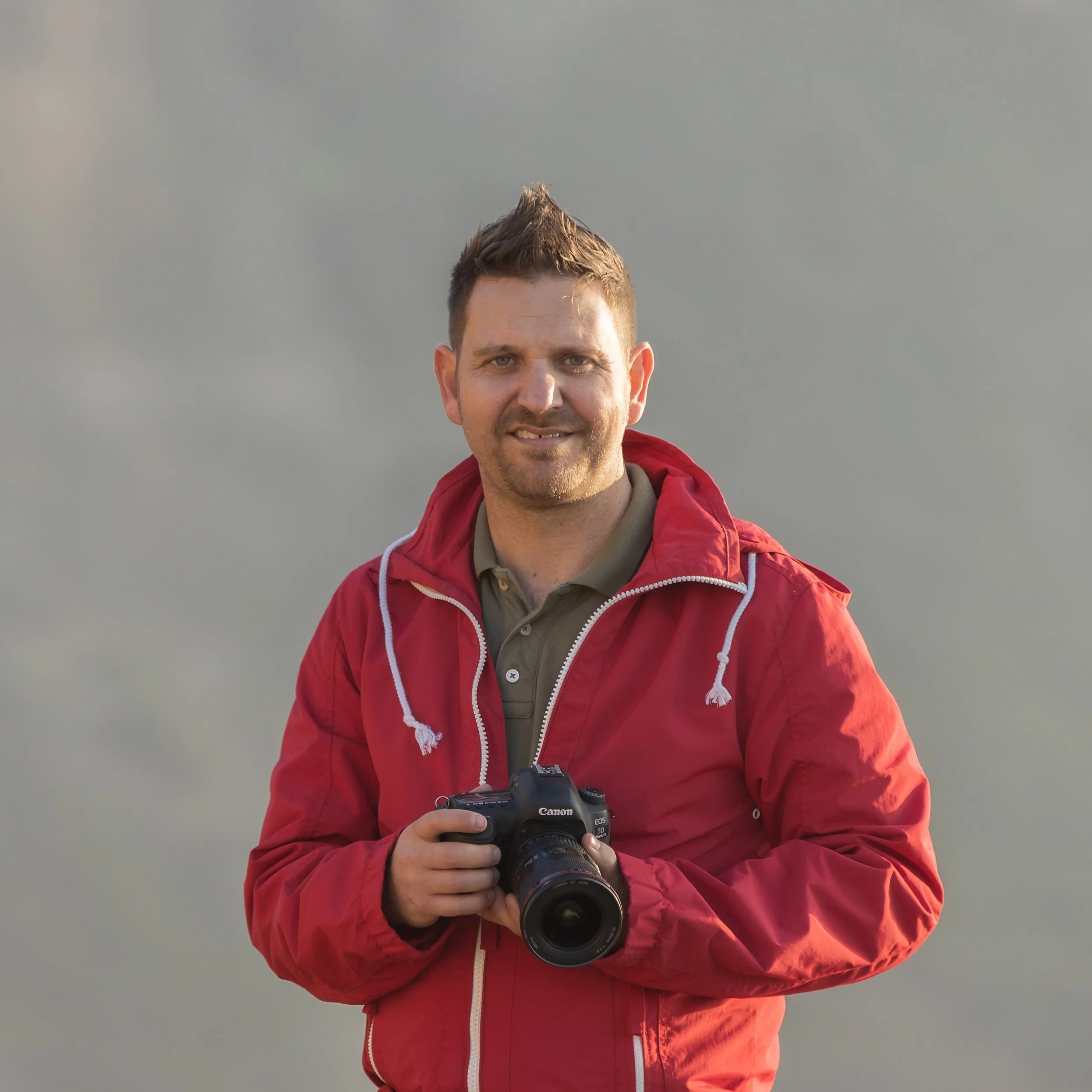
Meet Your Instructor: Chris Ewen Crosby
"True experience loses its value unless it is passed on to others."
My career as a fine-art landscape photographer and educator is driven by a singular obsession: the endless search for perfect light, pristine geometry, and the thrill of discovery. I inherited a profound love for education from my mother, a lifelong teacher, and that instructional legacy forms the absolute bedrock of my workshops.
I don’t believe in rigid, bus-tour schedules. On an expedition like the Yosemite Masterclass, my mission is to eliminate the guesswork from your workflow, protect your valuable time in the field, and give you the exact technical blueprints required to bring your unique creative vision to life.
Whether we are tracking the Milky Way core using advanced astro-tracking heads or learning the precise mechanics of high-dynamic-range coastal long exposures, I specialize in dismantling technical intimidation. I scale my instruction dynamically to meet you exactly where you are—ensuring you walk away not just with striking, portfolio-grade imagery, but with repeatable skills you can command on your own.
As a fully licensed, commercially permitted independent guide across the American West's most iconic public lands, I am committed to practicing strict stewardship and Leave No Trace principles while helping you capture the extraordinary beauty of the wilderness.
Credentials & Partnerships: Datacolor Friend With Vision, Official NiSi Filters Ambassador, Leave No Trace Certified, and Red Cross CPR/AED/First Aid Certified.
You might also like…
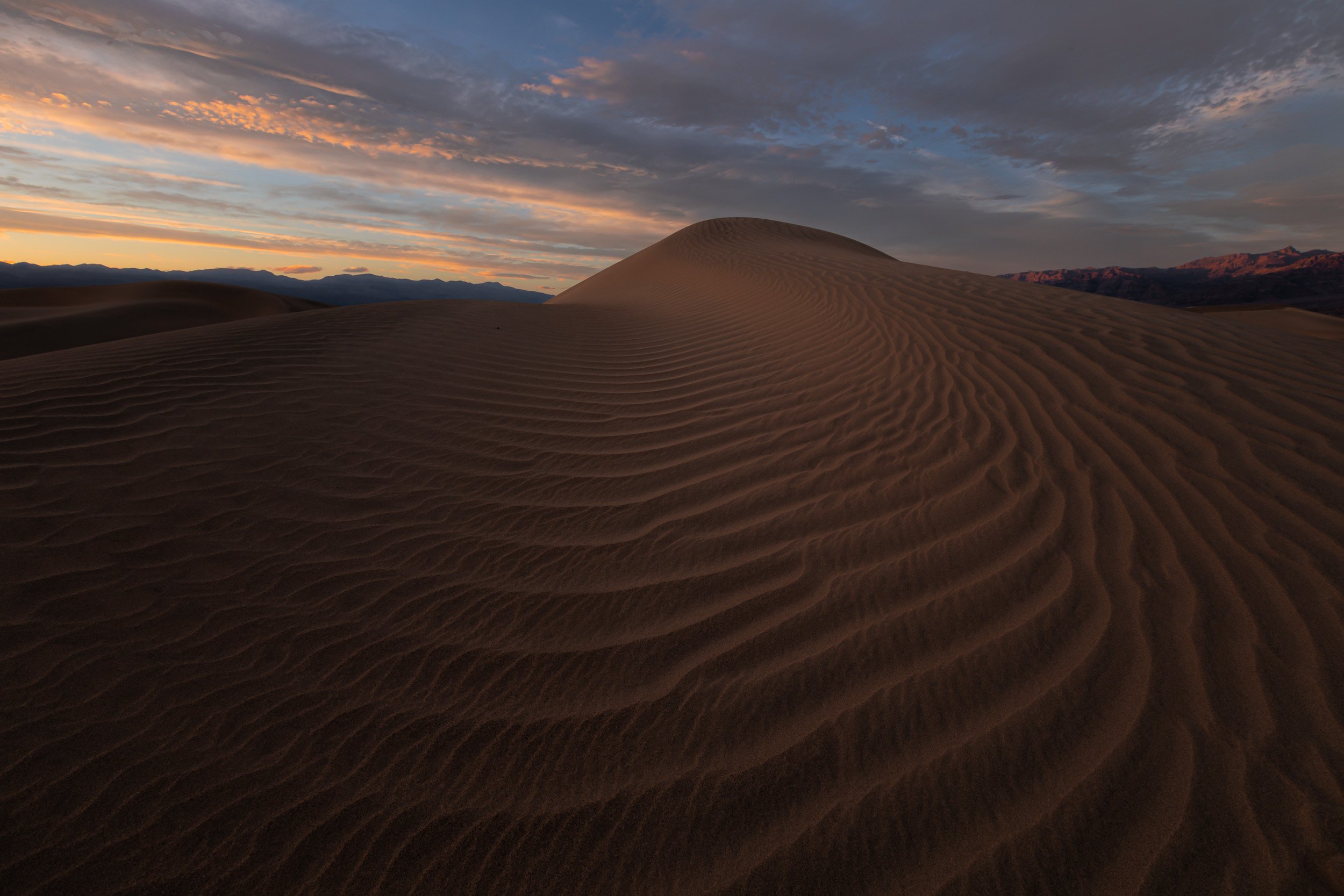
Death Valley Masterclass 2026
Nov 13–16, 2026 | Strictly Limited to 6 Photographers
Leave the crowded commercial photo tours behind and experience the raw, stark beauty of Death Valley. Break free from rigid group schedules and adapt in real-time by dynamically tracking the shifting shadows of the sand dunes, geometric salt flats, and fleeting desert light at its absolute peak with focused, small-group field instruction.
Includes 4 days on-site + a 3-hour recorded post-processing masterclass.
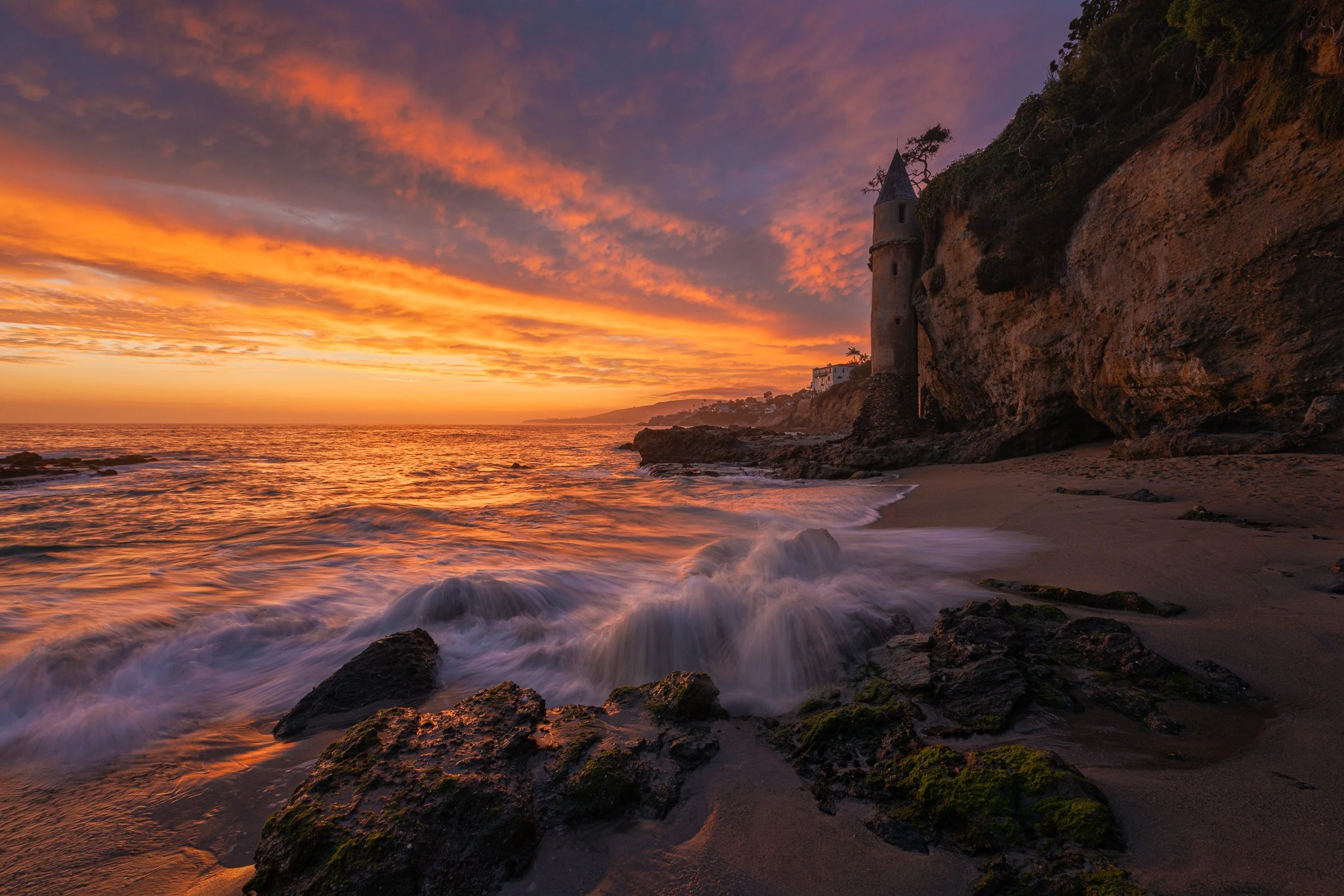
Private 1-on-1 Field Masterclasses
Skip the group dynamics. Accelerate your growth with a tailored, field-guided curriculum built entirely around your specific creative goals.
Exclusive Calendar Access: Choose the optimal tide windows or light conditions that work for your schedule.
Tailored Instruction: Focus on exactly what you want to master—from advanced night-sky tracking to complex coastal compositions.
Immediate Feedback: Real-time, side-by-side coaching in the field to guarantee you walk away with portfolio-grade imagery.
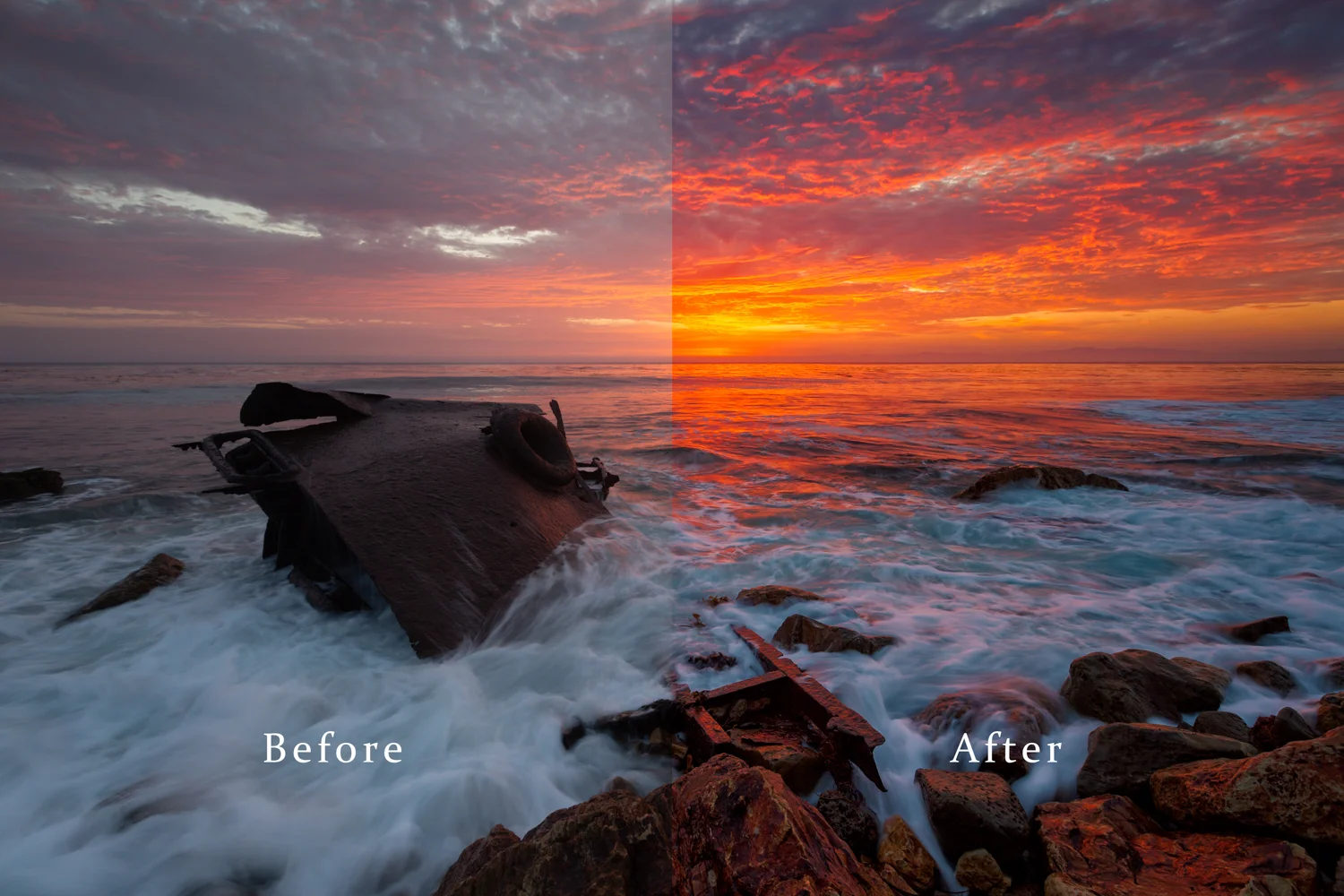
Master the Art of Editing
The field is only half the story. Learn how to transform your raw files into powerful, portfolio-grade imagery using advanced digital techniques.
Workflow Demystified: Go beyond basic sliders and learn the exact step-by-step logic behind high-end landscape processing.
Light & Atmosphere: Master complex masking, color grading, and luminosity techniques to bring flat files to life.
Learn From Anywhere: Elevate your skills from the comfort of your own home with tailored, screen-share mentoring.